
This article may contain promotions.
Last Updated on July 27, 2026
 LANGUAGE
A sacred stay where pilgrimage and peaceful reflection meet
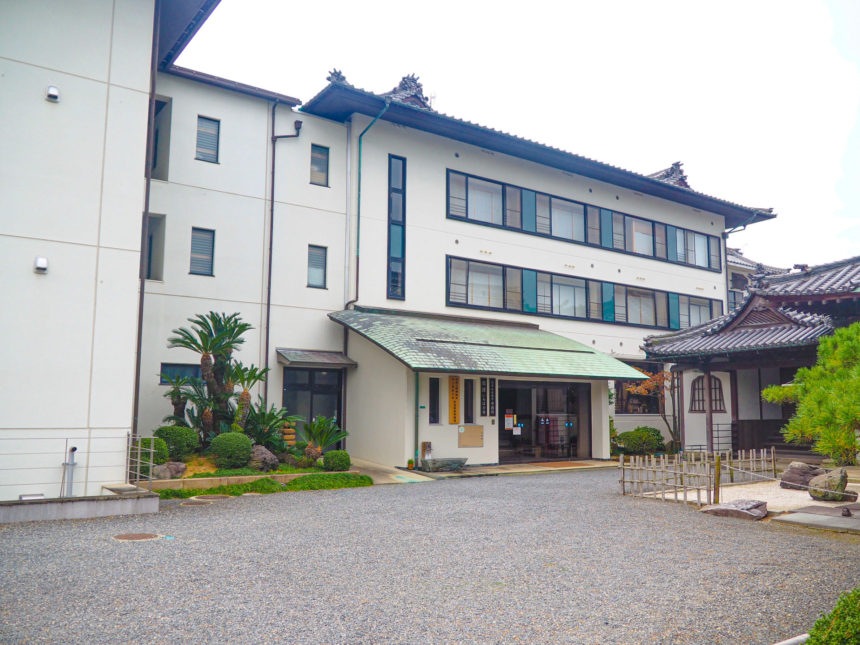
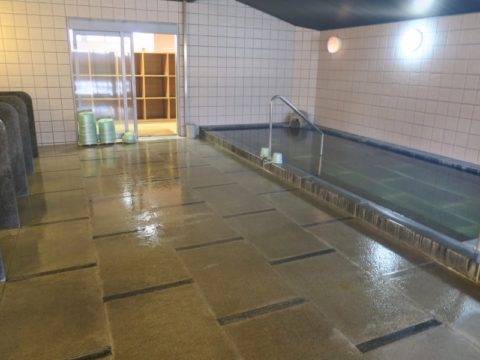
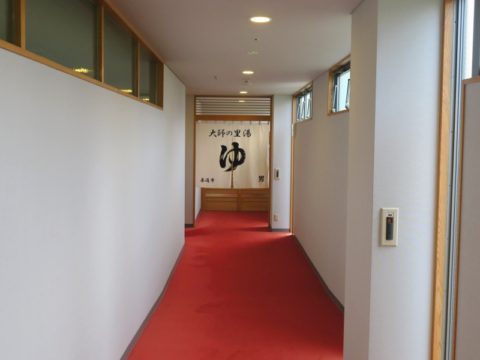
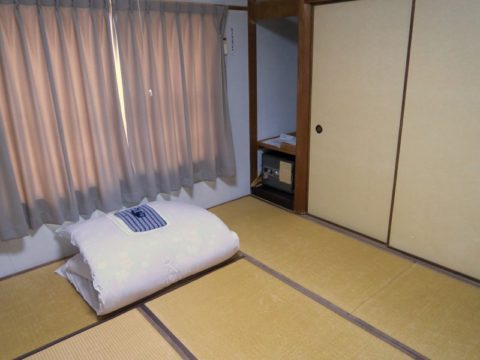
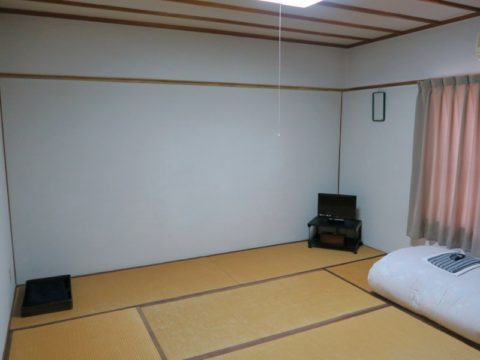
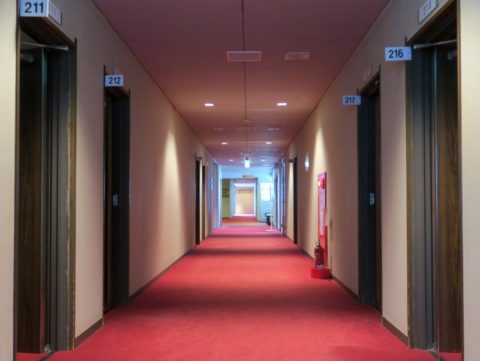
Located within the grounds of Zentsuji Temple, the birthplace of Kobo Daishi and the 75th temple of the Shikoku 88 pilgrimage, Iroha Kaikan offers a serene and spiritually grounded experience. With 50 primarily Japanese-style rooms (including wheelchair-accessible options), the accommodation welcomes travelers into a clean, calm environment. Inside, guests can enjoy modern conveniences such as free Wi-Fi, a natural hot spring bath “Daishi-no-Sato-Yu,” a large communal bath, free laundry facilities, and vending machines. Pilgrims may also take part in traditional temple activities, including early morning prayer services, sutra copying, and Buddhist tracing, offering spiritual comfort alongside physical rest. With scenic views over the vast temple grounds, this lodging quietly supports both mind and body along the sacred journey.
Property Details
※This does not guarantee the current business status. Please contact the property directly for the latest details.
Supplementary information
- Public bath: Bathing time (16:00-21:00)

Map
Posted image
A Message from the Host
(not yet)
Guest Reviews
Review Summary from External Sites
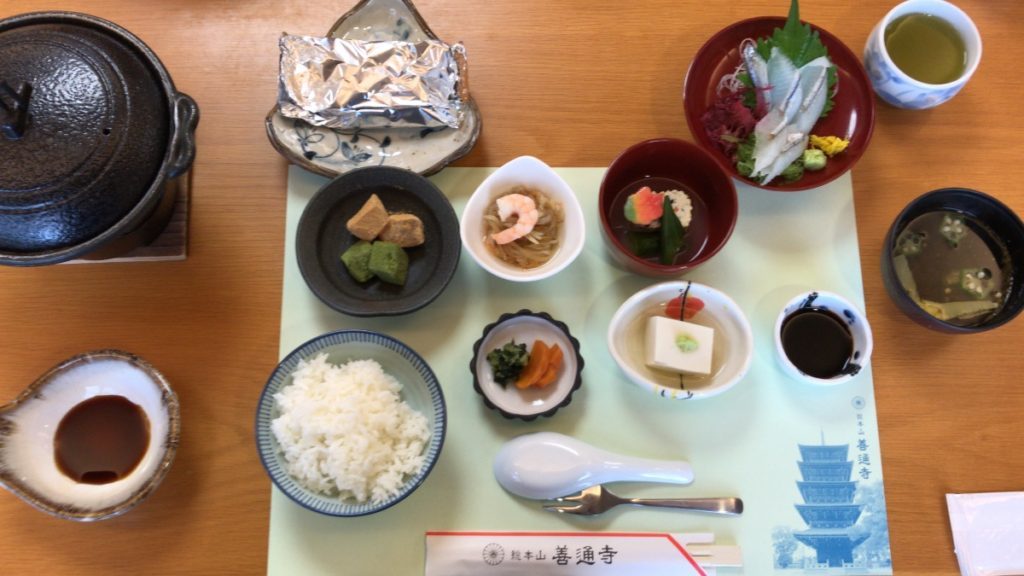
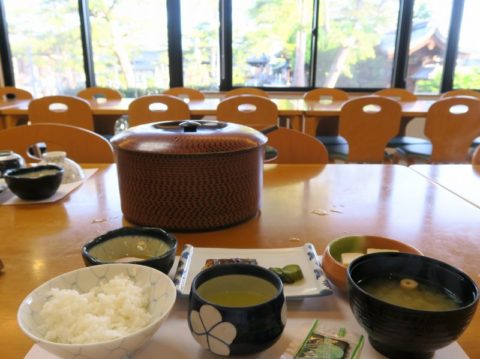
Visitors praise Iroha Kaikan for its clean facilities and peaceful setting. Meals are traditional and modest, in line with temple customs — many find the Japanese-style breakfast and dinner to be heartfelt and satisfying. The availability of traditional experiences like morning prayers and the underground sacred passage (Kaidan-meguri) is seen as a highlight. While rooms include essential amenities and ensure comfort, items such as yukata and face towels are included, but other supplies may incur extra charges. Some guests note this simplicity as a feature, viewing the stay as closer to a spiritual retreat than a typical hotel experience. The combination of tranquility, practical support, and cultural immersion is widely appreciated.
※This summary is generated by AI based on posts from external websites. The review content reflects the personal opinions and impressions of the individual contributors and does not represent our site’s evaluation.
Breakfast at Zentsuji Shukubo Iroha Kaikan. Delicious and surprising.
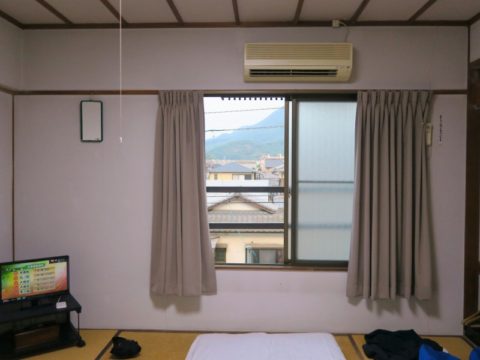
The toilets are unisex. There is a sink in the room. There is a large bath in the bathroom. Guests staying at the hotel can participate in the morning service and the Kaidan tour for free. As for supplies, it’s pretty simple. The only things in the room are yukatas and face towels. Bath towels and toothpaste are available at the front desk for 100 yen. There is no hand soap or cups in the sink. I thought this was also training. Other hotels may have over-serviced.
There is a large public bath, private rooms, and you can go out until late at night, so it’s almost like a regular inn except for the morning service. The room was spacious, but voices from the neighboring room could be heard clearly, so it’s best to spend the night quietly. After the morning service, you can enter the “Kaidan Meguri” in the basement of the Mieido for free, so it’s better not to visit before your stay.
The bath was spacious enough for more than ten people at once—comparable to a public onsen.
However, it’s only available until 9 p.m.
The meals were so generous that I almost forgot they were shōjin ryōri (Buddhist vegetarian cuisine).
Each guest received a personal hot pot and freshly fried tempura, with unlimited rice refills.
The room even had a TV, and the futon was soft and fluffy.ん
Except for a few minor points—like paid bath towels and no soap at the room’s sink—it felt just like staying in a ryokan.
But what I most recommend is the morning service.
Over ten monks chant together—the sound and resonance are powerful and moving.
It may sound odd, but there was even a kind of groove to it, an almost musical rhythm that made it deeply soothing.
It’s a rare, unforgettable experience.
Afterward, I joined the kaidan-meguri (pilgrimage through the pitch-dark corridor beneath the main hall).
You walk in total darkness, feeling your way along the wall—it’s completely dark, to the point that I gently bumped into the person ahead.
Unlike my previous experience at Zenkoji Temple—where someone ruined the mood with their smartphone light—this time, there was no light at all, not even a crack.
It was a true experience of darkness.
The lodging fee includes admission to the kaidan-meguri (which is otherwise charged separately for non-guests),
so the price felt quite reasonable overall.

